What is Drayage? An Overview
Definition of Drayage
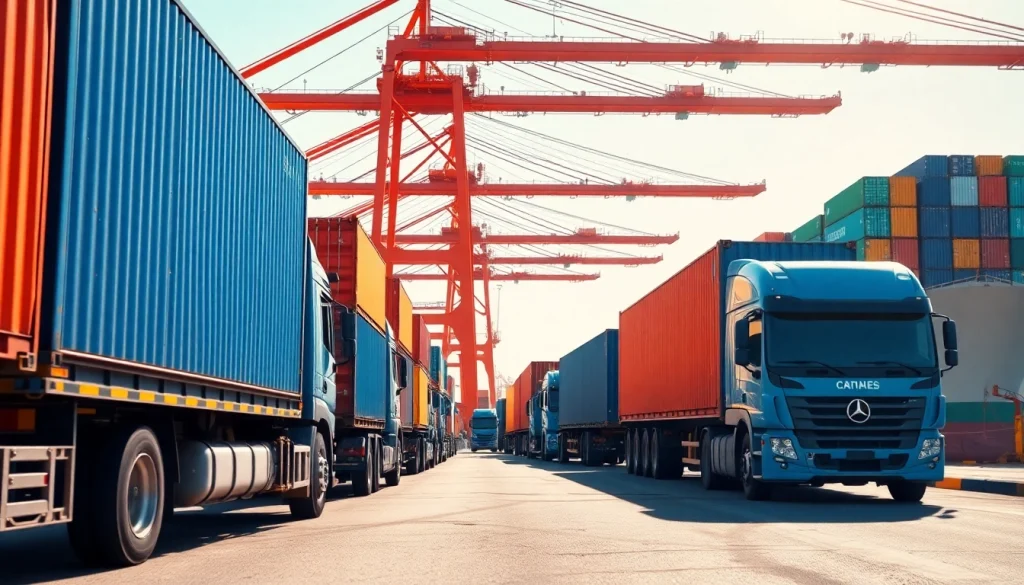
Drayage refers to the transportation of shipping containers over short distances, typically by truck. This process is crucial in the logistics and supply chain ecosystem, effectively connecting various modes of transportation. For instance, drayage often embodies the initial movement of goods from a port to a nearby distribution center, but it can also occur between other transport hubs, such as rail yards or warehouses. As a fundamental aspect of various logistics operations, drayage plays a pivotal role in ensuring that cargo reaches its final destination efficiently.
The Importance of Drayage in Supply Chains
Drayage serves as the linchpin within supply chains, as it ensures that goods move seamlessly between transportation modes. The importance of drayage can be understood through several key functions:
- Flexibility: Drayage supports flexible supply chain management by allowing companies to shift containers quickly between transportation modes.
- Time Efficiency: Reducing transit times is vital; drayage enables companies to cut down on the duration that goods spend in transit.
- Cost-Effectiveness: Efficient drayage operations can reduce overall logistics costs by minimizing demurrage and other potential fees associated with delays.
- Reliability: Timely drayage services enhance reliability in delivery schedules, which is critical for maintaining customer satisfaction.
Common Types of Drayage Services
Drayage services can be categorized into several types based on the nature of the transportation required:
- Port Drayage: Involves transporting containers between marine ports and nearby locations like warehouses or distribution centers.
- Rail Drayage: Connects shipping containers moving from rail yards to other transport facilities.
- Intermodal Drayage: Links different shipping modalities, such as shipping from an ocean port to a rail terminal.
- Transloading: Refers to the process of transferring goods from one shipping mode to another within the drayage framework.
How Drayage Works: The Logistics Behind It
The Drayage Process Explained
The drayage process involves several key steps that ensure effective transfer of containers over short distances:
- Booking and Scheduling: Businesses must initially book drayage services ahead of the required transport date.
- Pick-Up Coordination: The drayage service provider coordinates picking up the container from the port or rail yard.
- Loading and Transport: Once at the designated location, containers are loaded onto trucks for transportation.
- Delivery: Finally, the truck delivers the container to the final destination, whether it’s a warehouse, distribution center, or another transport hub.
Key Players in Drayage Operations
Several entities are involved in the drayage process, making it a collaborative effort:
- Shippers: They schedule and book drayage services based on their logistics needs.
- Drayage Carriers: These are the trucking companies responsible for moving containers between hubs.
- Terminals and Ports: These facilities handle the logistics of moving containers in and out, maintaining schedules and managing logistics.
- Freight Forwarders: Often play a critical role in organizing shipping logistics and may coordinate drayage services as part of larger freight movements.
Intermodal Connections: Drayage and Beyond
Drayage is particularly important in intermodal transport, where multiple modes of transportation are used for the movement of goods. In this setting, drayage serves as the essential link between ocean shipments, rail transport, and final delivery. The effective management of drayage within intermodal systems ensures that:
- Containers can move seamlessly across different transportation modes without unnecessary delays.
- Facilities are set up to handle quick transfer and distribution of goods, increasing overall efficiency.
- Congestion at key transport hubs is minimized, supporting broader supply chain efficiency.
Challenges in Drayage Transport
Understanding Common Obstacles
While drayage plays a crucial role in logistics, it is not without its challenges. Some common obstacles include:
- Congestion: Ports and intermodal facilities can experience significant congestion, leading to delays in loading and unloading.
- Regulatory Compliance: Navigating regulations regarding transportation permits, safety standards, and environmental considerations can complicate operations.
- Cost Variability: Fluctuating fuel prices and service demand can lead to unpredictable cost estimates for drayage services.
- Equipment Availability: A shortage of available trucks or containers can hinder timely logistics operations.
Impact of Regulations on Drayage
Government regulations significantly shape drayage operations, requiring companies to remain compliant with a myriad of laws and standards. These regulations may include:
- Environmental Regulations: Regulations aimed at reducing emissions can impact how drayage carriers operate, potentially necessitating investment in cleaner, more efficient vehicles.
- Weight Limits: Legal limits on load weights can determine how containers are loaded and transported, affecting scheduling and routing.
- Safety Standards: Compliance with local and federal safety standards is crucial for maintaining operational integrity and avoiding penalties.
Strategies for Overcoming Drayage Challenges
To mitigate the challenges associated with drayage, companies can adopt several strategies:
- Utilizing Technology: Implementing advanced logistics software can enhance tracking, scheduling, and communication among stakeholders.
- Optimizing Routes: Employing route optimization tools can help in planning efficient transport routes, reducing delays and costs.
- Enhancing Communication: Improving communication between shippers, carriers, and terminal operators can smooth operations and resolve issues more effectively.
Best Practices for Efficient Drayage
Optimizing Drayage Operations
Efficient drayage operations can significantly enhance the overall performance of the logistics process. Best practices to optimize drayage include:
- Pre-scheduling: Businesses should schedule drayage well in advance to avoid congestion and ensure timely pick-up and delivery.
- Streamlining Processes: Simplifying and standardizing operations can reduce the time containers spend moving through checkpoints.
- Performance Monitoring: Continuously monitoring key performance indicators (KPIs) helps identify bottlenecks and areas for improvement.
Leveraging Technology in Drayage
Technology acts as a vital enabler in enhancing drayage operations. It can be leveraged in several ways:
- Transportation Management Systems (TMS): TMS software can help companies plan, execute, and optimize the movement of containers across various transport modalities.
- GPS Tracking: Real-time tracking systems enable stakeholders to monitor the movement of containers, reducing uncertainty regarding delivery times.
- Automated Scheduling: Automation tools can help in the scheduling of pickups and drop-offs, optimizing fleet use and reducing idle time.
Performance Metrics for Drayage Success
Tracking and measuring performance is essential to ensure the efficiency and effectiveness of drayage operations. Important performance metrics include:
- Turnaround Time: The time taken from when the container is picked up to when it is delivered.
- Cargo Damage Rates: The frequency of damage to cargo during transport, which is critical for maintaining customer satisfaction.
- Cost per Move: This metric helps companies assess the financial efficiency of their drayage operations.
- On-time Delivery Rate: The percentage of deliveries made on or before the scheduled date, which is vital for reliability assessments.
The Future of Drayage in Logistics
Emerging Trends in Drayage Services
As the logistics landscape continues to evolve, several trends are reshaping drayage services:
- Sustainable Practices: Increasing emphasis on environmental sustainability is leading to the adoption of greener drayage options, such as electric-powered trucks.
- Digitalization: Enhanced transparency and efficiency are being realized through digitization, impacting everything from communication to inventory management.
- Data Analytics: Leveraging data analytics can provide insights into operational inefficiencies and guide strategic decision-making.
How E-commerce is Shaping Drayage Operations
The rapid expansion of e-commerce has placed new demands on drayage operations, necessitating a shift in operational strategies to accommodate consumer expectations:
- Increased Volume: The growth of e-commerce has led to a higher volume of containers needing drayage, requiring scalable solutions.
- Faster Delivery Times: E-commerce’s emphasis on swift delivery is prompting companies to refine their drayage processes for faster turnaround.
- Last-Mile Logistics: Drayage is increasingly being integrated with last-mile delivery solutions to ensure seamless customer experiences.
Preparing for Changes in the Drayage Market
To remain competitive in an evolving marketplace, it is essential that businesses prepare for potential changes in drayage operations. This involves:
- Investing in Technology: Embracing technological advancements will enable companies to adapt more readily to market changes.
- Staying Informed on Regulations: Keeping abreast of regulatory updates can help businesses remain compliant and avoid potential disruptions.
- Building Flexibility: Creating adaptable and flexible logistics strategies will allow organizations to respond to shifts in market demand effectively.