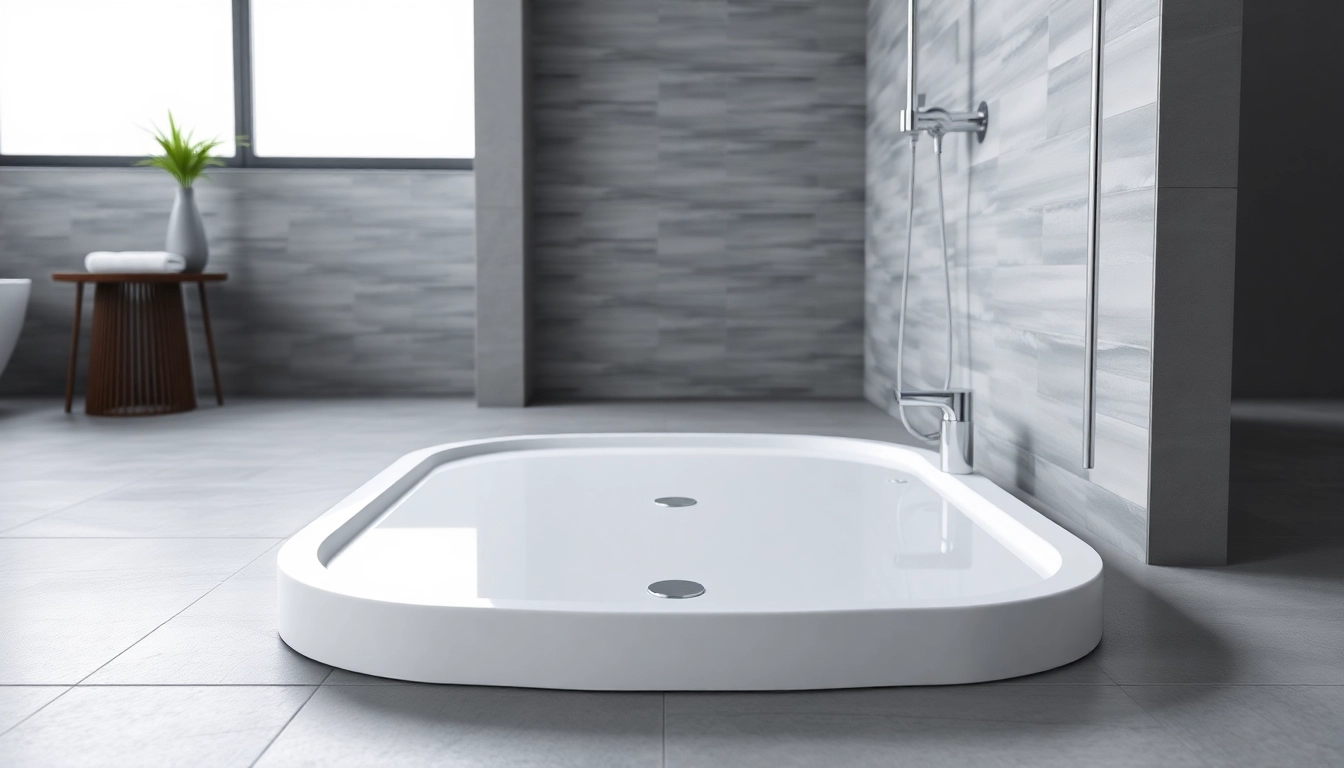
Understanding Shower Base Types
Choosing the correct shower base is a crucial aspect of installing or renovating your bathroom. The shower base serves as the foundational component of your shower area, providing both functionality and style. In this comprehensive guide, we’ll explore various types of shower bases, their materials, and how to make the best choice according to your needs and preferences.
Standard Shower Base Options
Standard shower bases typically come in predefined shapes and sizes, designed to fit most bathrooms without any modifications. Common options include rectangular, square, and neo-angle bases. These bases are manufactured from various materials such as acrylic, fiberglass, or ceramic, offering diverse aesthetics and performance characteristics.
- Acrylic Shower Bases: Lightweight and resistant to chipping, they make for a popular choice in modern bathrooms.
- Fiberglass Shower Bases: These bases provide affordability and ease of installation but may require more maintenance to avoid fading.
- Ceramic Shower Bases: Known for their durability and design flexibility, these are often used in upscale bathrooms.
Custom Shower Bases Explained
For those looking for a tailored solution, custom shower bases offer flexibility to meet unique dimensions and design preferences. They can be manufactured from various materials, including natural stone, tile, or even concrete, allowing homeowners to achieve a distinctive look that matches the overall theme of their bathroom. Custom bases require more planning and understanding of plumbing, as they have to fit specific drainage and water flow requirements.
Eco-Friendly Shower Base Choices
As sustainability becomes a major consideration, eco-friendly shower bases are gaining traction. Options include bases made from recycled materials or sustainably sourced resources. Bamboo and reclaimed materials are popular choices, providing an eco-conscious solution without compromising on aesthetics or durability. Moreover, investing in energy-efficient shower bases can aid in water conservation, reducing overall household water usage.
Factors to Consider When Selecting a Shower Base
Choosing the right shower base is not merely about aesthetics; various crucial factors can significantly affect functionality, comfort, and longevity. Understanding these aspects will lead to a more informed decision-making process.
Size and Space Considerations
The size of your shower base should align with the overall dimensions of your bathroom. Measuring the available space accurately is vital, considering both the width and depth of the area earmarked for the shower. A base that is too small can lead to overcrowding, while a base that's too big might waste valuable space.
Material Strength and Durability
Material choice is paramount when selecting a shower base. Consider factors like slip resistance, heat retention, and ease of repair. Some materials, like granite or porcelain, offer high durability but might come with a higher price tag. On the other hand, lightweight options such as acrylic might be prone to cracks over time but are easier to install.
Design Style Matching
Your shower base should complement your existing bathroom decor. Whether your style is modern, traditional, or something unique, ensure that the shape, color, and material of the shower base blend seamlessly with other design elements in your space.
Installation Processes for Shower Bases
Once you’ve chosen the ideal shower base, understanding the installation process is essential for achieving the desired result. Shower base installation can vary significantly based on the type of base chosen and the bathroom layout.
Pre-Installation Preparations
Before starting the installation, conduct thorough preparations. Ensure your bathroom flooring is level and the plumbing is properly set up. Gather necessary tools and materials, including silicone sealant, screws, and shims for leveling. Creating a clean workspace can simplify the installation process.
Step-by-Step Installation Guide
The installation of a shower base involves several steps:
- Verify the fit of your base in the designated area.
- Check plumbing fixtures for proper alignment.
- Apply silicone sealant to prevent leaks.
- Set the shower base in place, ensuring it is level.
- Attach any necessary drainage fittings.
- Finish with waterproofing around the edges.
Professional Installation vs. DIY
While a DIY installation can save money, hiring professionals can ensure that the base is installed correctly, minimizing the risk of future water damage or plumbing issues. Consider your skill level, complexity of installation, and budget before deciding.
Maintaining Your Shower Base
Proper maintenance is key to prolonging the lifespan of your shower base and keeping it looking pristine. Regular upkeep can prevent many common issues that might arise over time.
Cleaning Best Practices
Cleaning your shower base frequently prevents the buildup of soap scum and mildew. Use non-abrasive cleaners to maintain the finish and avoid scratching. Rinse thoroughly after cleaning to keep surfaces looking fresh.
Common Issues and Solutions
Various problems might arise with your shower base over time, including cracks, discoloration, or leaks. Detecting and addressing minor issues promptly can prevent more extensive repairs:
- Cracks: Use a repair kit appropriate for your shower base material.
- Discoloration: Regularly clean and consider a restorative product designed for your base material.
- Leaks: Check the sealant and drainage for any signs of wear or damage.
Prolonging the Life of Your Shower Base
To extend the lifespan of your shower base, practice preventive maintenance. This includes avoiding harsh chemicals, using mats to reduce wear, and performing periodic inspections to catch potential issues early.
Frequently Asked Questions about Shower Bases
What materials are commonly used for shower bases?
Common materials include acrylic, fiberglass, tile, and natural stone. Each offers different aesthetics and durability levels, allowing for various design opportunities.
How do I determine the right size shower base?
Measure the designated shower area accurately. Consider the space needed for plumbing and ensure that the base fits comfortably without overcrowding.
Can I install a shower base myself?
Yes, DIY installation is possible if you have basic plumbing and construction skills. However, professional installation is recommended for complex setups.
What maintenance does a shower base require?
Regular cleaning, inspection for cracks or leaks, and prompt repairs to sealant or fittings can prolong your shower base's life and maintain its appearance.
Are custom shower bases worth the investment?
Custom shower bases offer unique designs tailored to your space, enhancing your bathroom's aesthetics. Though pricier, they can provide a personalized touch that standard models may not achieve.