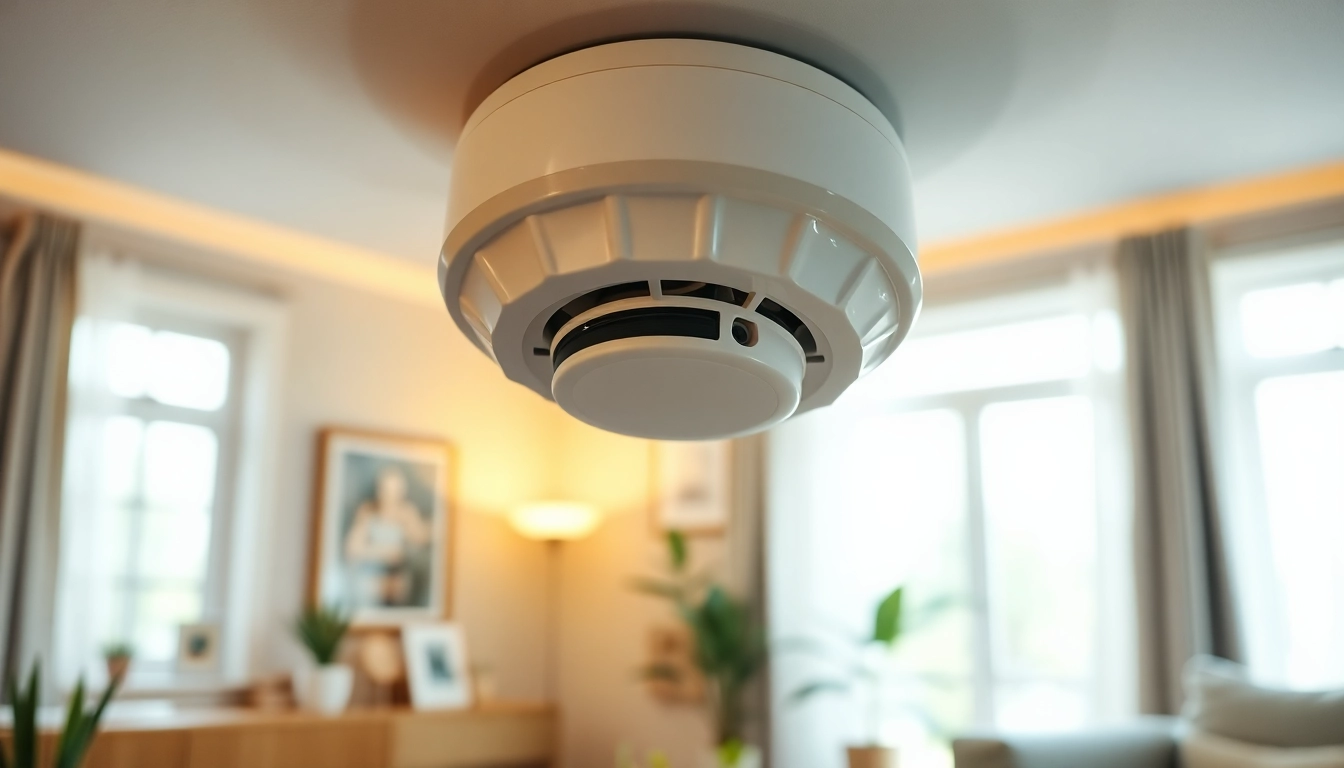
Understanding the Importance of Smoke Detector Batteries
In the realm of home safety, smoke detectors play a pivotal role. These devices serve as the first line of defense against fire hazards, providing critical alerts that can save lives and prevent property damage. However, one often-overlooked component of this vital system is the smoke detector battery, the lifeblood that powers these alarms and ensures they function when needed most. In this guide, we'll explore the complexities surrounding smoke detector batteries, from their necessity and types to installation and maintenance, ensuring you're equipped with the knowledge needed to secure your home effectively.
Why Every Household Needs a Smoke Detector
Every home, irrespective of size or location, should be equipped with smoke detectors. According to the National Fire Protection Association (NFPA), approximately three out of five home fire deaths resulted from fires in homes with no smoke alarms, underscoring the importance of these devices. Their ability to detect smoke early can inform occupants of potential dangers before flames become uncontrollable. In many cases, smoke alarms double the chance of survival from a residential fire, making them a non-negotiable safety feature.
Common Risks of Inadequate Smoke Detection
Inadequate smoke detection can expose homeowners to significant risks. Common culprits include expired batteries, faulty alarms, and insufficient coverage throughout the home. Statistics show that nearly half of all deaths from house fires occur in homes without functional smoke detectors. Furthermore, many homeowners underestimate the risk of fires due to cooking accidents, electrical malfunctions, and heating equipment failures. Without functioning smoke detectors, these risks become exponentially more dangerous.
Batteries: The Lifeline of Your Smoke Detector
The battery is crucial to the performance of a smoke detector. If the battery fails, so does the alarm. Regular checks on smoke detector batteries are essential; some devices may chirp as a warning sign that the battery is losing charge. Furthermore, smoke detector batteries generally require periodic replacement to maintain optimal functionality, typically every six months or as specified by the manufacturer. Understanding the specifics of battery operation can help ensure your home remains safe.
Types of Smoke Detector Batteries
Alkaline vs. Lithium: Pros and Cons
When choosing a battery for your smoke detector, the two primary types are alkaline and lithium. Alkaline batteries are more common and generally less expensive, but they must be replaced more frequently, often every six months. On the other hand, lithium batteries tend to last much longer, sometimes up to ten years. Although their initial cost is higher, the extended lifespan can save homeowners time and money in the long run. Choosing the right type of battery depends on your budget and willingness to maintain regular replacements.
How to Choose the Right Battery Size
Smoke detectors come in various models, and not all use the same battery sizes. The most common sizes are 9V for conventional smoke alarms and AA or AAA for others. Always consult your smoke detector’s manual to ensure you purchase the correct battery size. It's crucial to adhere to the manufacturer's specifications, as using the wrong size can lead to system failure and compromise safety.
Understanding Battery Life and Replacement Cycles
Battery life varies significantly based on the type of battery used and the operation of the smoke detector. Alkaline batteries typically last about six months, whereas lithium batteries can last up to ten years without needing replacement. It’s advisable to mark your calendar or set reminders to check your smoke detector batteries twice a year, aligning them with the changing of the clocks during Daylight Saving Time if that option exists in your area.
How to Install Your Smoke Detector Battery
Preparing Your Smoke Detector for Battery Installation
Before installing a new battery, ensure your smoke detector is functioning properly. Start by removing the unit from its mounting bracket. Make sure that the alarm is clean and free from dust or debris that may affect its operation. Inspect the device for any signs of damage—cracks or melted components can indicate that the smoke detector needs to be replaced.
Steps for Safe and Effective Battery Installation
- Remove the old battery - Follow the manufacturer's instructions for safe removal.
- Insert the new battery - Ensure that the battery is positioned correctly with the positive and negative terminals aligned as indicated.
- Reattach the smoke detector - Secure it in its mounting bracket, making sure it clicks into place.
Testing the Smoke Detector Post-Installation
After installing a new battery, it's imperative to test the smoke detector. Press the test button on the unit to ensure it produces a loud alarm sound. If it doesn’t, double-check the battery installation and ensure it’s correctly seated in the compartment. If problems persist, the smoke detector may need to be replaced entirely.
Maintaining Your Smoke Detector and Battery
Regular Maintenance Tips for Long-Lasting Performance
Routine maintenance can significantly enhance the performance and longevity of your smoke detector. Regularly dust or vacuum the exterior to keep the sensors clear. Additionally, testing the alarm once a month is highly recommended. If you notice any discrepancies in its performance, it may be time to consider a replacement. Many models include indicators that can notify you of heartbeat signals or chirps, alerting you that a battery change or unit failure is necessary.
Signs Your Smoke Detector Battery Needs Immediate Attention
Being attentive to the signs of a failing smoke detector battery can save lives. Chirping noises commonly indicate that a battery is low and needs replacement, whereas a flickering indicator light on a newer model might signify a malfunction. If your smoke detector alarm goes off without any apparent reason, it’s wise to check both the battery status and the unit itself for faults.
Best Practices for Disposal of Old Batteries
Proper disposal of old batteries is crucial for environmental safety and personal health. Alkaline batteries can often be disposed of with regular household waste, but checking local regulations is advisable. Conversely, lithium batteries generally require special disposal; many communities have drop-off locations for hazardous materials. Consider recycling your old batteries to minimize environmental impact. Many retailers also offer recycling programs for batteries.
Upgrading Your Smoke Detector System
Smart Smoke Detectors: Are They Worth It?
The rise of smart technology has led to the introduction of smart smoke detectors, which provide advanced features such as mobile notifications, integration with home automation systems, and more precise detection capabilities. While the upfront cost is higher than traditional models, the potential for enhanced safety and customization options could make them worthwhile for many homeowners. They can provide alerts when you’re away from home, allowing you to act quickly in case of emergencies.
Integrating Your Smoke Detector with Other Safety Systems
Integrating smoke detection with other safety systems—such as carbon monoxide detectors and security alarms—can enhance household safety significantly. Many systems can be set to work in tandem, meaning if one detects danger, all connected alarms will activate, providing unparalleled warnings in emergencies. This interconnectedness not only streamlines security but also ensures a unified response in critical situations.
Staying Updated with Fire Safety Technology
Fire safety technology continues to evolve, and staying updated on the latest advancements can help you make informed decisions regarding your smoke detection system. Manufacturers often release firmware updates or new models featuring enhanced detection technology and added features. Staying vigilant and conducting regular research can help ensure your home is equipped with the safest and most effective smoke detection solutions available on the market.