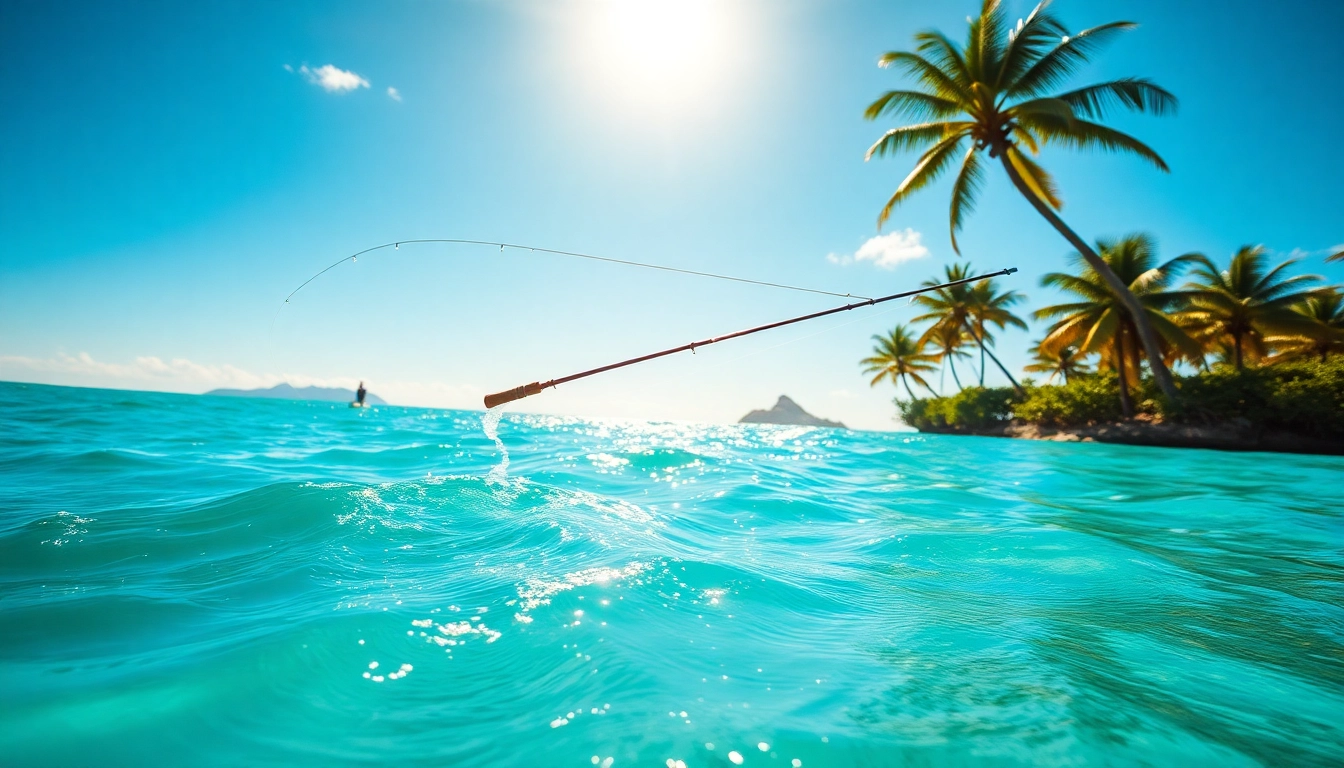
Understanding Saltwater Fly Fishing
Saltwater fly fishing stands out in the world of angling as one of the most exhilarating pursuits. It combines the delicate art of fly casting with the vastness of the ocean, creating a unique challenge for even the most experienced fishermen. This form of fishing offers a plethora of settings, from serene beaches to thriving estuaries, teeming with diverse marine life. Enthusiasts of saltwater fly fishing not only engage with nature but also immerse themselves in a sport that demands skill and knowledge of the aquatic environment.
The Basics of Saltwater Fly Fishing
At its core, saltwater fly fishing requires an understanding of specific techniques, species, and gear. Unlike freshwater fishing, where techniques can often be more straightforward, saltwater fishing presents variables such as tides, wind, and various species that demand adaptability. Fishermen need to be equipped with the right tools and strategies to effectively catch fish in this dynamic environment.
The type of flies used in saltwater fishing can significantly differ from those used in freshwater. In saltwater, the fly often mimics the local baitfish or crustaceans found in those waters. The techniques can also vary; from quick strips to allow the fly to mimic injured prey to twitching movements that draw attention from lurking predators. Understanding these basics is crucial before venturing into the vast saltwater expanses.
Common Species Targeted in Saltwater
Saltwater environments boast an incredible diversity of fish species. Some of the most sought-after species include:
- Bonefish: Often called the "grey ghost" for their elusive nature.
- Tarpon: Known for their acrobatic fighting ability and size.
- Permit: Renowned for being one of the most challenging species to catch.
- Striped Bass: A favorite among anglers on the East Coast.
- Snook: Prized for their aggressive strikes and strong fights.
Each species has its distinct behavior patterns, feeding habits, and preferred habitats. Understanding these nuances can lead to more successful fishing experiences.
Essential Gear for Saltwater Fly Fishing
To effectively engage in saltwater fly fishing, having the right gear is fundamental. Here are some essential items:
- Fly Rod: Typically longer and more powerful than freshwater rods, suited to casting in windy conditions.
- Fly Reel: Designed with a strong drag system to handle the powerful runs of saltwater fish.
- Backing Line: Essential for long runs by larger fish, typically 20-30 lb test.
- Leader and Tippet: Clear leader material to avoid spooking fish; depend on species for strength and size.
- Flies: Selection of various patterns such as clousers, streamers, and crab patterns based on targeted species.
- Protective Clothing: Lightweight, UV-protective clothing and proper footwear provide comfort in the heat.
This selection of gear ensures that anglers are ready to face the challenges of saltwater fishing effectively and efficiently.
Techniques to Enhance Your Saltwater Fly Fishing
Effective Casting Techniques for Different Conditions
Successful saltwater fly fishing mandates mastering a variety of casting techniques tailored to specific conditions. Among them:
- Double Haul: Essential for casting longer distances; it involves pulling on the line during both the back and forward casts.
- Roll Cast: Ideal when there is limited room behind the angler; this technique helps to cast effectively while avoiding obstructions.
- Sidearm Cast: Useful in windy conditions to keep the line low and reduce resistance from the wind.
Each casting method can effectively cover vast expanses of water or target specific fish hiding under structures like mangroves or docks.
Reading the Water: How to Find Fish
Understanding how to read the water is one of the most critical skills in saltwater fly fishing. Factors like color, structure, and movement all provide clues about fish presence:
- Color: Dark water may indicate depth which can harbor larger fish. Conversely, lighter water can indicate flats teeming with activity.
- Structure: Look for reefs, rocks, or any formations where fish can hide and ambush prey.
- Surface Activity: Observe bird activity and baitfish jumping; diving birds often indicate fish feeding below.
Learning to read these signs can significantly enhance your fishing success rate by allowing you to focus your efforts in the right spots.
Choosing the Right Flies for Saltwater Locations
Selection of flies is pivotal in enticing saltwater species. Various environmental factors like water temperature, clarity, and fish behavior play a role in what flies will be effective:
- Crustacean Patterns: Ideal in areas where crabs and shrimp are prevalent; use during specific tides.
- Baitfish Imitations: Crucial when larger fish are stalking schools of baitfish.
- Topwater Flies: Excite species like Tarpon and Snook that are known to attack flies with surface action.
Experimenting with different flies based on conditions can lead to productive outings and fulfilling catches.
Best Practices for Saltwater Fly Fishing
Understanding Tides and Their Impact on Fishing
Tides play a significant role in saltwater fly fishing, affecting fish behavior and feeding patterns. Anglers should be familiar with the tidal movements:
- Incoming Tide: Often brings fish close to shore as they hunt for food; prime time for fishing.
- Outgoing Tide: Can concentrate fish in deeper channels; another key fishing time.
- Slack Tide: Generally less productive but can be effective in certain regions with adequate food sources.
Understanding local tide charts and patterns can help anglers plan their trips for optimal success.
Conservation Tips for Sustainable Fly Fishing
As passionate anglers, it is vital to advocate for sustainable fishing practices to preserve saltwater ecosystems. Key practices include:
- Catch and Release: Utilize proper techniques to minimize stress to the fish, ensuring they can survive post-release.
- Respect Regulated Species: Be aware of local fishing regulations to protect overfished populations.
- Limit Waste: Practice Leave No Trace principles; take all trash and unused gear with you.
By prioritizing sustainability, anglers can contribute to the long-term health of saltwater environments.
Safety Considerations While Fly Fishing in the Ocean
Fly fishing in saltwater involves inherent risks. Understanding safety measures can help mitigate potential dangers:
- Weather Awareness: Monitor weather conditions to avoid thunderstorms and rough seas.
- Use Sun Protection: Wear sunscreen, hats, and UV-blocking clothing to protect against sun exposure.
- Stay Hydrated: Consistently drink water and remain aware of dehydration symptoms.
By taking these precautions, anglers can enjoy their time on the water while ensuring their well-being.
Advanced Strategies in Saltwater Fly Fishing
Targeting Specific Species: Tailoring Your Approach
As anglers become more experienced, developing strategies tailored to specific species can significantly improve success rates:
- Bonefish: Focus on stealth and long casts, using natural-colored flies to mimic prey.
- Permit: Understand their feeding habits; fish in shallow waters, using crab flies for effectiveness.
- Tarpon: Utilize large, flashy flies and be prepared for explosive strikes.
By tailoring techniques and approaches to unique species, anglers can maximize their catch rates dramatically.
Leveraging Technology: Apps and Tools for Anglers
Today's anglers can harness technology to enhance their fishing experiences. Applications designed specifically for fishing offer valuable features, such as:
- Tide Charts: Real-time data about local tides can aid planning efforts.
- Weather Apps: Stay updated on changing weather conditions and forecasts.
- Fish Finders: Use sonar technology to locate fish effectively under the water.
Integrating these tools into your fishing routine can provide a significant edge, helping you make informed decisions on the water.
Building a Community: Joining Saltwater Fly Fishing Clubs
Engaging with fellow enthusiasts can enhance the saltwater fly fishing experience. Joining local clubs offers opportunities to:
- Learn from Experts: Gain insights from seasoned anglers through workshops and mentoring programs.
- Create Connections: Fostering friendships and camaraderie fosters a supportive fishing community.
- Participate in Events: Engage in fly fishing tournaments and social events to share experiences and knowledge.
Building relationships within the fly fishing community can be enriching, opening doors to new experiences and challenges.
Measuring Your Success in Saltwater Fly Fishing
Keeping a Fishing Journal: Tracking Your Progress
Maintaining a fishing journal is a valuable tool for any angler. Not only does it provide insights into fishing patterns and successes, but it also helps track personal progress. Key elements to note include:
- Date and time of fishing.
- Location and tides.
- Weather conditions and patterns.
- Species caught and methods used.
Reviewing entries can lead to a deeper understanding of successful techniques and improve future outings.
Utilizing Feedback to Improve Techniques
Receiving constructive feedback is crucial for growth as an angler. Engaging with peers and mentors can provide insights that refine techniques. Consider:
- Recording video or taking photos of your casting techniques for peer review.
- Discussing experiences and challenges faced to foster collaborative problem solving.
- Seeking advice on gear and strategy from club members or through online forums.
By embracing feedback, you can implement changes and witness significant improvement in your fishing skills.
Celebrating Your Wins: Sharing Experiences
Lastly, celebrating successes—whether they be a new personal record or mastering a new technique—contributes to a fulfilling fishing experience. Ways to celebrate include:
- Sharing catches on social media platforms with your fishing community.
- Participating in competitions or events to showcase your skills.
- Documenting trips in blogs or vlogs to inspire others and create a personal narrative.
Sharing experiences not only strengthens community connections but also inspires others to join the sport we love.