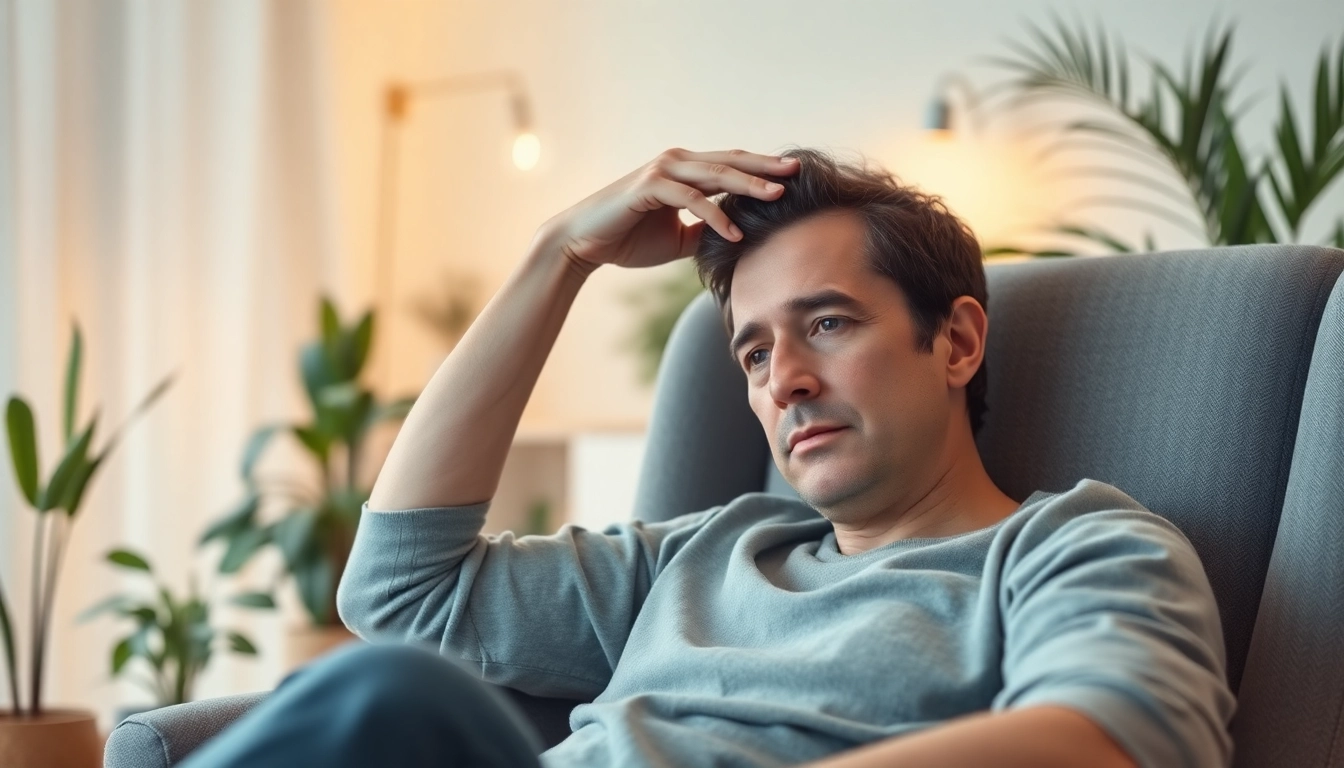
Introduction to Anxiety Symptoms
Anxiety is a natural human response to stress, characterized by feelings of apprehension, worry, and fear. However, when these feelings become overwhelming or persistent, they can evolve into anxiety symptoms that significantly impact daily life. Understanding and recognizing these symptoms is crucial for effective management and treatment. Exploring anxiety symptoms allows individuals to seek appropriate help and resources.
Definition of Anxiety Symptoms
Anxiety symptoms encompass a wide range of physical, emotional, and psychological manifestations that occur when a person faces stressful situations. These symptoms can vary in intensity and duration, from mild unease to debilitating panic attacks. Common anxiety symptoms include excessive worry, restlessness, fatigue, and difficulty concentrating.
Common Triggers of Anxiety Symptoms
Understanding the triggers of anxiety symptoms is essential for managing them. Triggers can be categorized into various types:
- Environmental: Changes in surroundings, stressful life events, or personal loss can prompt anxiety symptoms.
- Social: Interactions with others, such as public speaking or meeting new people, can induce anxiety.
- Biological: Genetic predispositions or hormonal changes can predispose individuals to anxiety disorders.
Signs and Indicators of Anxiety Symptoms
Recognizing the signs of anxiety is critical for early intervention. Common indicators include:
- Persistent worry
- Anxiety attacks that are sudden and intense
- Physical symptoms such as increased heart rate or sweating
- Difficulty controlling feelings of worry
- Symptoms affecting daily routines
Physical Symptoms Associated with Anxiety
Common Physical Indicators of Anxiety Symptoms
Anxiety often manifests in physical symptoms that can be distressing. These symptoms can include:
- Chest pain
- Tightness in the throat
- Dizziness or lightheadedness
- Fatigue or sleep disturbances
- Nausea or gastrointestinal discomfort
Impact of Anxiety Symptoms on Daily Life
The impact of anxiety symptoms can ripple through various aspects of life, influencing relationships, job performance, and overall well-being. Individuals may avoid social situations, leading to isolation, and struggle to maintain focus on tasks at work or school. Recognizing these effects prompts individuals to seek support and intervention.
When to Seek Medical Help for Anxiety Symptoms
It is vital to seek medical help if anxiety symptoms become chronic or significantly disrupt daily life. A professional can offer a proper diagnosis and treatment plan. Signs that indicate the need for professional help include:
- Intense fear that feels unmanageable
- Persistent panic attacks
- Physical symptoms that are debilitating
- Difficulty performing daily tasks
Mental and Emotional Aspects of Anxiety Symptoms
Psychological Effects of Anxiety Symptoms
Beyond physical manifestations, anxiety symptoms have profound psychological effects that can lead to emotional distress. Frequent feelings of dread or negativity, decreased self-esteem, and difficulty relaxing can significantly impair life satisfaction and mental health. These overlapping symptoms often result in a cycle of anxiety, where one symptom feeds into the next.
Coping Mechanisms for Managing Anxiety Symptoms
Effective management of anxiety symptoms often involves developing coping mechanisms tailored to individual experiences. Common strategies include:
- Practice deep breathing and mindfulness exercises.
- Engage in hobbies or activities that bring joy.
- Establish a strong support system of friends and family.
- Limit caffeine and alcohol intake, as they can exacerbate anxiety.
Therapy Options for Anxiety Symptoms
Various therapeutic approaches are effective for managing anxiety symptoms, including:
- Cognitive Behavioral Therapy (CBT): This therapy helps individuals identify and change negative thought patterns that contribute to anxiety.
- Exposure Therapy: This involves gradually confronting fears in a controlled and supportive environment.
- Medication: For some, prescribed medications can effectively alleviate anxiety symptoms. Consulting a medical professional is crucial for determining appropriate options.
Preventive Strategies Against Anxiety Symptoms
Mindfulness and Relaxation Techniques
Incorporating mindfulness and relaxation techniques into daily routines can prevent the onset of anxiety symptoms. Meditation, yoga, and progressive muscle relaxation help cultivate a sense of peace and improve emotional regulation, enabling individuals to manage stressors more effectively.
Benefits of Regular Physical Activity
Regular physical activity is not just beneficial for physical health but is also a powerful tool against anxiety symptoms. Exercise releases endorphins, promoting feelings of happiness and relaxation, while reducing stress. Activities such as jogging, swimming, or dancing can improve overall mental well-being.
Role of Nutrition in Reducing Anxiety Symptoms
Nutrition plays a vital role in mental health. A balanced diet rich in whole foods, including fruits, vegetables, whole grains, and lean proteins, can enhance mood and reduce anxiety symptoms. Omega-3 fatty acids, found in fish and walnuts, and vitamins such as B and D have been shown to support brain health and help maintain emotional balance.
FAQs About Anxiety Symptoms
What are common anxiety symptoms?
Common anxiety symptoms include excessive worry, restlessness, fatigue, difficulty concentrating, and physical signs like rapid heartbeat and sweating.
How can I reduce anxiety symptoms?
To reduce anxiety symptoms, consider deep breathing exercises, regular physical activity, practicing mindfulness, and seeking professional support when necessary.
Are anxiety symptoms different for everyone?
Yes, anxiety symptoms can vary widely among individuals in terms of intensity, triggers, and coping mechanisms. It's essential to identify personal patterns.
When should I see a doctor about anxiety symptoms?
Consult a doctor when anxiety symptoms are persistent, overwhelming, or interfere with daily activities and quality of life. Seeking help early is crucial.
Can anxiety symptoms be treated effectively?
Yes, anxiety symptoms can be treated effectively through therapy, medication, lifestyle changes, and coping strategies tailored to individual needs and circumstances.