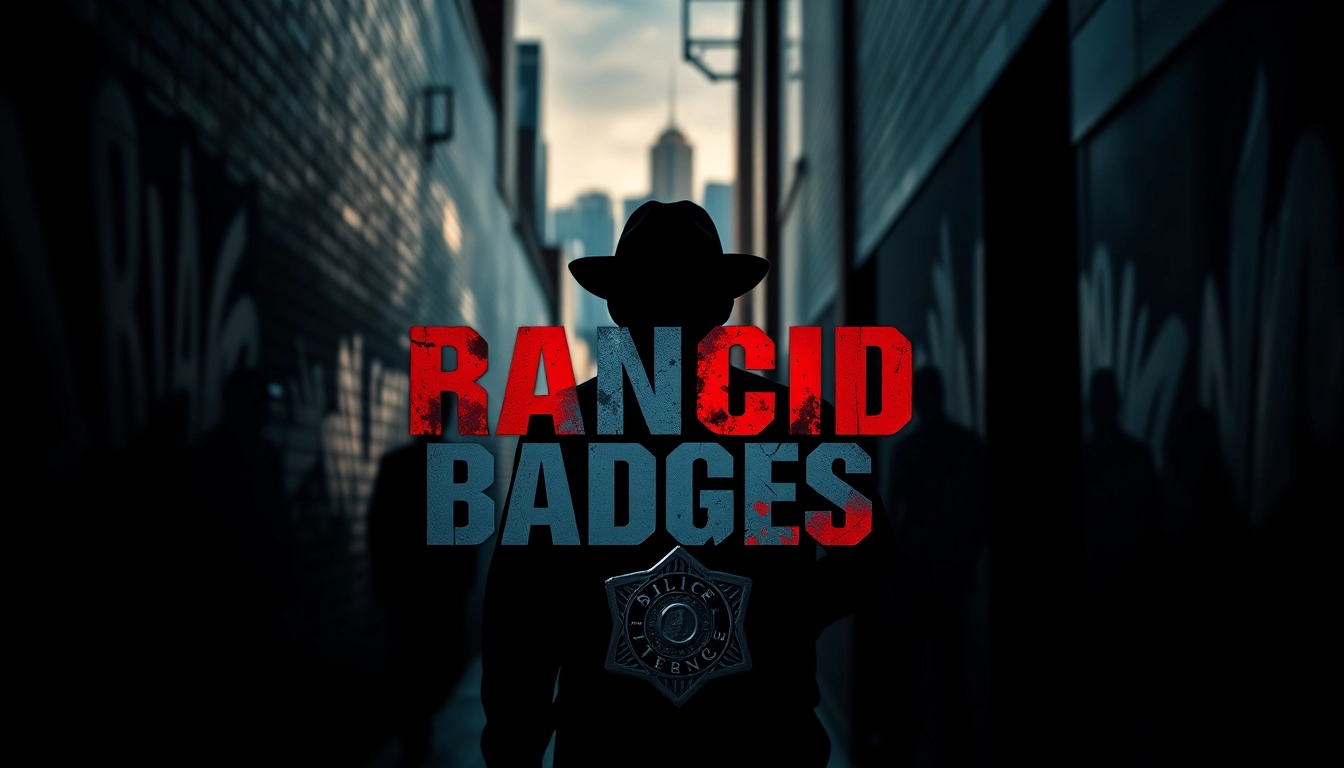
Understanding the Premise of Rancid Badges
The novel Rancid Badges by Alex Cage unfolds in the gritty landscape of Atlanta, where the thin line separating law enforcement from criminal activity is often blurred. The narrative centers around Derrick Nash, an Atlanta beat cop, who finds himself embroiled in a treacherous web of corruption and deception. Framed for a series of crimes he did not commit, Nash's journey towards exoneration unveils a shocking reality about the forces he once trusted—his fellow officers.
Overview of Key Characters
In Rancid Badges, the ensemble of characters plays a vital role in shaping the narrative. Derrick Nash is the protagonist whose evolution from an innocent cop to a hunted fugitive is pivotal. The antagonist remains shrouded in mystery, embodying the systemic corruption within the police force itself. Alongside Nash, characters such as his partner and loyal friend, Laura, bring depth to the story, providing emotional support while navigating the brutal landscape of oppressive justice.
Setting the Scene: Atlanta's Dark Underbelly
The Atlanta setting of Rancid Badges is not just a backdrop but a character in its own right. The city’s underbelly is painted with vivid imagery—from the bustling interactions of civilians to the menacing shadows that lurk in back alleys. Cage’s use of detailed descriptions creates an immersive experience, drawing readers into a world where crime festers in the hollows of dilapidated buildings. This portrayal of Atlanta serves as a commentary on urban decay and loss of trust in public institutions.
Thematic Elements of Betrayal and Justice
Betrayal looms large in Rancid Badges, as Nash learns that those closest to him may not be the allies he presumed them to be. Justice is presented as a fragile construct, easily manipulated by power-hungry individuals. Throughout the narrative, Cage challenges readers to consider the true meaning of justice in a world where the line between right and wrong is disturbingly blurred. The thematic exploration invites reflection on societal issues, adding layers of complexity to the action-driven plot.
Character Development in Rancid Badges
Character development is at the heart of Rancid Badges, with a focus on complex motivations and inter-character relationships.
Complexities of Derrick Nash's Character
Derrick Nash’s transformation is meticulously crafted, illustrating the psychological toll of being both a police officer and a falsely accused criminal. His internal struggles—doubt, fear, and anger—are palpably conveyed as he grapples with betrayal by those he once admired. This spectrum of emotions propels his character arc, culminating in a reckoning that forces him to confront his ideals and the corrupt nature of the justice system he upholds.
Supporting Characters and Their Motives
The supporting characters in Rancid Badges are crafted with nuanced motives that reflect the larger themes of the narrative. Laura, Nash’s partner, serves as both a moral compass and a source of tension. Her loyalty is continually tested by the corrupt world surrounding them. Other characters, such as the corrupt detective and the crime lord, offer insight into the varied landscapes of corruption and desperation. Each plays a role, woven into the tapestry of betrayal and loyalty that defines the story.
Transformations Throughout the Narrative
As the plot unfolds, the transformations of characters echo the overarching themes of redemption and reclamation. Nash’s journey is not just physical but emotional and moral; he wrestles with the duality of being a law enforcer and a fugitive. Supporting characters experience their own transformations, providing a rich landscape of personal growth and moral choices that challenge their identities and relationships.
Plot Analysis: The Journey Within Rancid Badges
The narrative of Rancid Badges is a thrilling journey filled with unexpected twists and layered conflicts that keep readers engrossed.
Unpacking the Main Conflict
The main conflict arises when Nash is framed for crimes that he did not commit, setting in motion a narrative rife with tension. The wrongful accusations serve as a catalyst for exploring themes of power, loyalty, and the quest for truth. This conflict is not solely external; it manifests internally as Nash battles self-doubt and pain while attempting to clear his name in a world that seems set against him.
Key Milestones and Turning Points
Throughout the book, key milestones punctuate Nash's journey. These include crucial interactions with law enforcement, uncovering conspiracies, and pivotal decisions that heighten the stakes. Moments of revelation, where Nash discovers critical truths about his colleagues and the underbelly of crime, serve to escalate tension and drive the narrative forward. Each turning point crafts a path layered with suspense, pushing both Nash and the reader toward a boiling climax.
Resolutions and Open Endings
The resolution of Rancid Badges offers a mixture of closure and lingering questions. As Nash confronts the truth behind his framing, the ending underscores the challenges of achieving justice while hinting at the possibility of retribution and redemption. Cage skillfully navigates the complexities of resolution; rather than wrapping everything neatly, he leaves readers contemplating the cost of justice, further inviting reflection on the harsh realities portrayed throughout the book.
Writing Style and Narrative Techniques in Rancid Badges
Alex Cage’s writing style in Rancid Badges is marked by its visceral and engaging narrative techniques that enhance both tension and characterization.
Utilizing Suspense to Engage Readers
Suspense is a powerful tool employed throughout Rancid Badges. Cage masterfully builds suspense through cliffhangers, unexpected twists, and pacing that keeps readers anxiously turning pages. The slow reveal of secrets and the cat-and-mouse dynamics further amplify the anticipation, making the reading experience compelling and dynamic. The strategic placement of these elements ensures that tension remains high, making it difficult to anticipate the outcome.
Dialogue and Its Role in Characterization
The dialogues within Rancid Badges are not merely functional but rich with subtext that enhances character development. They reveal motivations, tension, and alliances, serving to juxtapose characters against their circumstances. The distinct voices of each character add depth and authenticity, painting a vivid picture of their personalities and how they navigate the moral complexities of their world.
Imagery and Descriptive Language Choices
Imagery plays a significant role in setting the tone of Rancid Badges. Through skillful descriptive language, Cage creates a palpable sense of place that draws readers into Atlanta’s dark underworld. The visceral descriptions awaken the senses, allowing readers to experience the gritty nature of Nash’s reality—from the harsh sounds of the city to the oppressive atmosphere of betrayal. Such choices imbue the narrative with both immediacy and emotional resonance.
Audience Reception and Critique of Rancid Badges
Since its release, Rancid Badges has garnered attention from readers and critics alike, resulting in a diverse array of responses that reflect its thematic complexities.
Reader Reviews and Critiques Overview
Reader reception of Rancid Badges highlights its gripping narrative and character depth. Many reviews commend the novel for its ability to balance a fast-paced plot with emotional resonance, making it both entertaining and thought-provoking. Critics have noted the effective use of suspense and the vivid depiction of betrayal, which resonates deeply with readers. While some critiques center on pacing concerns during certain sections, the overall consensus leans positively, appreciating the novel's rich thematic explorations.
Comparative Analysis with Other Crime Thrillers
When compared to other titles within the crime thriller genre, Rancid Badges holds its ground with its unique premise and character-driven narrative. Unlike typical crime thrillers that follow predictable paths, Cage’s work is characterized by its moral ambiguity and ethical dilemmas that challenge traditional notions of justice. This sets it apart from conventional offerings, making it a noteworthy addition to the genre.
Implications for Future Works by the Author
The reception of Rancid Badges may influence Alex Cage's future endeavors, opening avenues for deeper dives into similar themes of corruption and betrayal. Readers have expressed eagerness for further explorations of complex characters within morally challenging settings. Cage's ability to weave rich narratives suggests a promising trajectory for his forthcoming works, potentially addressing broader societal issues through the lens of individual stories.