The Importance of Smart Sprinklers in Modern Gardening
As gardening practices evolve with technology, the role of smart sprinkler systems has become increasingly pivotal. Today’s gardeners are more conscious than ever about sustainability and resource efficiency. Smart sprinklers enable efficient water management while promoting healthy plant growth, ultimately leading to flourishing gardens with lesser manual effort. This article will explore the significance of smart sprinkler systems, dispel common misconceptions, and highlight their potential for water conservation and time savings.
Why Smart Sprinklers Matter for Sustainable Gardening
Smart sprinklers are designed to optimize water usage based on real-time conditions, making them essential for sustainable gardening. Traditional irrigation methods often lead to over-watering or inconsistent patterns, which can harm plants and waste water. In contrast, smart sprinklers utilize technology such as soil moisture sensors and weather forecasts to adjust watering schedules automatically. This proactive approach not only conserves water but also enhances the health of your plants, allowing for stronger growth and less reliance on chemical fertilizers.
Common Misconceptions About Smart Sprinkler Systems
Despite their benefits, there are misconceptions about smart sprinkler systems that can deter gardeners from adopting this technology. Some believe these systems are overly complicated and expensive, but modern devices have become user-friendly and affordable. Additionally, many may think that smart sprinklers are only for large properties; in reality, they can be effectively used in small gardens and indoor settings as well. Understanding these points can help more gardeners realize the advantages of incorporating smart technology into their gardening practices.
How Smart Sprinklers Can Save Water and Time
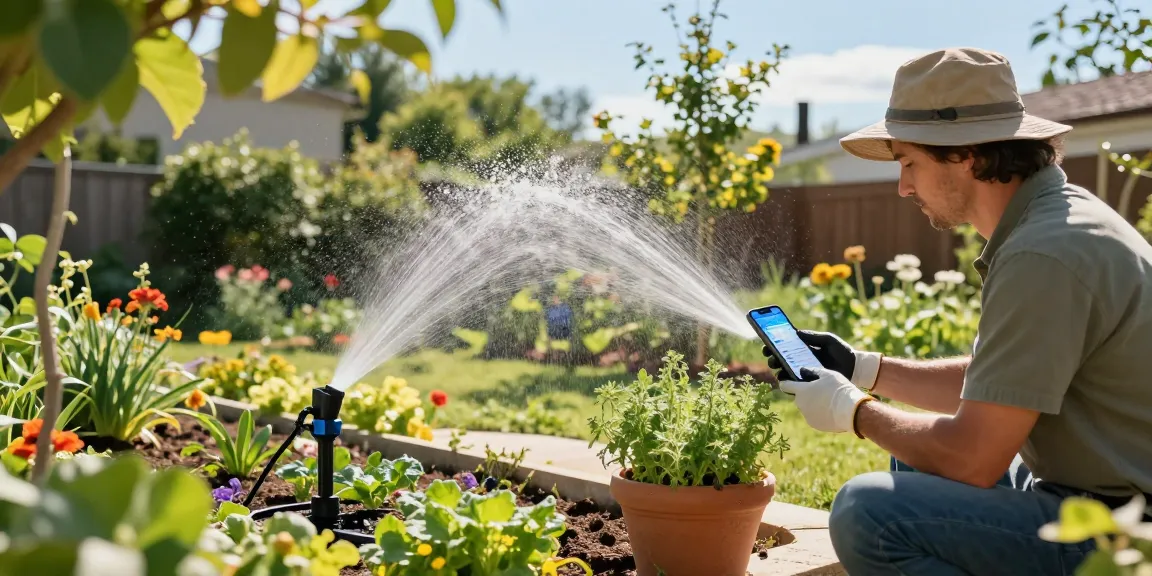
Smart sprinklers can significantly reduce water usage—up to 50% in some cases—by monitoring environmental conditions and adjusting irrigation accordingly. This not only leads to lower water bills but also lessens the environmental impact of excessive watering. Furthermore, the automation of watering schedules frees up valuable time for gardeners to focus on other important tasks, thereby promoting a healthier, more vibrant garden. The integration of apps also allows for remote control and monitoring, which adds another layer of convenience.
Choosing the Right Smart Sprinkler for Your Garden
With various options available, selecting the right smart sprinkler can be daunting. It’s essential to consider your specific gardening needs to ensure that you choose a model that fits your requirements. Factors such as garden size, plant types, and existing irrigation systems should be taken into account in making an informed choice.
Features to Look for in a Smart Sprinkler
When evaluating smart sprinklers, some key features to look for include:
- Soil Moisture Sensors: These sensors measure the moisture content in the soil, preventing over-irrigation.
- Weather Adaptation: Smart sprinklers can receive weather updates to adjust watering schedules based on rainfall or temperature changes.
- Mobile App Integration: A user-friendly app can provide easy access to settings, allowing you to monitor and modify watering schedules remotely.
- Zone Control: The ability to control different areas of your garden separately can enhance efficiency and water conservation.
Top Brands and Models in 2026
As of 2026, several brands have emerged as leaders in the smart sprinkler market. Notable mentions include RainPoint, which offers advanced features in their devices, and other brands such as Rachio and Orbit. Each brand has its own strengths, with varying price points, capabilities, and user experiences. Researching and comparing models can provide insights into which brand aligns best with your gardening goals.
Budget vs. Premium Models: What’s Worth It?
While budget models of smart sprinklers can suffice for basic needs, investing in premium models often pays off in the long term. Premium models typically offer more advanced features, longer warranties, and better customer support. It’s crucial to determine your gardening needs and budget before making a decision to ensure you receive the best value for your investment.
Installation and Setup of Your Smart Sprinkler
Installing your smart sprinkler system may seem daunting, but following a structured approach can simplify the process. Most modern systems are designed for straightforward installation to accommodate both novice and experienced gardeners.
Step-by-Step Guide to Installing Smart Sprinklers
The installation process may vary between models, but here’s a general step-by-step guide:
- Gather Materials: Ensure you have all necessary materials including the sprinkler unit, hose, connectors, and any tools needed for installation.
- Choose the Right Location: Identify an optimal location for the sprinkler system, considering accessibility to water sources and coverage area.
- Set Up the Sprinkler Unit: Follow the manufacturer’s guidelines to connect the sprinkler unit to the water supply.
- Install the Sensors: Place soil moisture sensors in various locations around your garden to gather accurate data.
- Connect to Wi-Fi: Most smart sprinklers will require you to connect to your home Wi-Fi network for optimal functionality.
- Test the System: Run the system to ensure it operates as intended and adjust as needed.
Common Installation Challenges and Solutions
Common challenges encountered during installation include connectivity issues, inadequate water pressure, and improper sensor placement. To resolve these, ensure that your Wi-Fi signal is strong at the installation site, verify that the water supply meets pressure requirements, and test the sensors for optimal placement that accurately reflects soil conditions.
How to Connect Your Smart Sprinkler to Wi-Fi
To connect your smart sprinkler to Wi-Fi, follow these steps:
- Download the App: Install the manufacturer’s app on your smartphone.
- Create an Account: Sign up or log in to your user account on the app.
- Follow Connection Instructions: The app will guide you through the Wi-Fi connection process, which may involve entering your network credentials.
- Test Connectivity: Once connected, test the system to ensure it communicates effectively with the app.
Maximizing the Benefits of Your Smart Sprinkler System
To get the most out of your smart sprinkler system, it’s important to set it up efficiently and make use of its features to care for your plants properly.
Setting Up an Efficient Watering Schedule
Establishing a watering schedule that aligns with your plants’ needs is essential. Consider factors such as time of year, plant types, and local weather conditions. Use the data collected by your smart sprinkler to adjust the schedule as necessary, ensuring that your garden receives optimal moisture without wasting water.
Using Sensors for Optimal Plant Care
Incorporating soil moisture sensors can enhance plant care by providing real-time data on soil conditions. This information allows you to make informed decisions about when and how much to water, thereby promoting healthier plants and reducing water waste.
Integrating Smart Sprinklers with Other Gardening Tools
Smart sprinklers can be integrated with other gardening tools, such as soil monitoring devices and weather stations, to create a comprehensive gardening system. This integration enables you to receive a holistic view of your garden’s health, empowering you to make proactive adjustments to your care routine.
Future Trends in Smart Irrigation Technologies
The landscape of smart irrigation technology is continuously evolving, with new innovations and trends emerging to improve efficiency and sustainability.
Emerging Innovations in 2026
As of 2026, innovations such as AI-driven irrigation systems are gaining traction. These systems analyze vast amounts of data to optimize irrigation schedules further, taking into account factors like plant hydration needs and local water conservation regulations.
Predictions for Sustainable Gardening Practices
With the rise of environmental awareness, future gardening practices will likely shift towards even more sustainable approaches. This may include the integration of renewable energy sources to power smart irrigation systems, contributing to a more eco-friendly gardening environment.
How Smart Technology Will Shape the Future of Gardening
Smart technology is poised to revolutionize gardening by enabling more efficient practices that enhance plant health while conserving resources. As gardeners adopt these technologies, we can anticipate a shift towards more intelligent, data-driven gardening strategies that prioritize sustainability.
What are the benefits of using a smart sprinkler system?
Smart sprinkler systems offer numerous benefits including water conservation, time savings, and improved plant health through precise watering techniques.
How can I troubleshoot my smart sprinkler system?
Common troubleshooting steps include checking Wi-Fi connectivity, ensuring adequate water pressure, and verifying sensor functionality. Refer to the manufacturer’s guidelines for specific troubleshooting tips.
What plants benefit most from smart irrigation?
Plants that require consistent moisture, such as vegetables, flowers, and shrubs, particularly benefit from smart irrigation systems as they provide precise watering to meet their specific hydration needs.
Are smart sprinklers worth the investment?
Smart sprinklers can be a worthwhile investment for gardeners looking to enhance water efficiency and reduce maintenance efforts, ultimately leading to healthier plants and lower water bills.
How do smart sprinklers save water compared to traditional systems?
Smart sprinklers utilize sensors and weather data to adjust watering schedules, significantly reducing water waste compared to traditional systems that may water on fixed schedules without considering current conditions.